The Importance of Preventative Well Maintenance
Wells are often out of sight and out of mind. But when they stop working, the consequences are immediate. Water supply interruptions ripple through every part of daily life, from basic household use to critical services like fire protection. Yet the breakdown of a well is almost never an instant event. It is usually the result of gradual wear, declining aquifer conditions, or overlooked performance changes. By the time a serious issue surfaces, the damage is already done.
Preventative well maintenance is the most effective way to avoid these problems. This involves understanding well performance, identifying patterns early, and using data to guide decisions before issues develop. A consistent maintenance program allows operators to track electrical readings, monitor static and pumping levels, identify changes in performance, and prepare for the future needs of the community. These programs can be structured at different levels, from basic monitoring to comprehensive field service, depending on the system’s needs. Lack of a structured maintenance program leads to reactive decisions, higher costs, and greater difficulty managing the system.
Monitoring the Aquifer Before It Becomes a Problem
Every well relies on an aquifer, which is the underground layer of rock, sand, or gravel that holds and transmits groundwater. Most aquifers serve multiple wells and users, so changes in water levels or recharge patterns can affect the performance of an entire system. Over time, heavy use, limited rainfall, and sediment buildup can reduce how much water is available or slow the rate at which it moves through the ground. Drought conditions can also impact recharge rates and long-term capacity, making it important to track aquifer behavior in both normal and stressed conditions. As these conditions shift, wells may begin to show signs of reduced output or slower recovery.
To track these changes, operators should take monthly airline readings. These readings measure the distance from the ground surface to the water level before the pump is turned on and again while the pump is running. Comparing these two values shows how much the water level drops during use and how it recovers afterward. This drop is referred to as drawdown.
Some drawdown is expected, but when it increases over time, it may signal that the aquifer is not refilling as quickly as it should. This process, known as recharge, depends on how much water seeps back into the ground from rainfall or nearby sources. A slower recovery after pumping may also point to problems inside the well itself. Sediment buildup or partial blockages in the screen can restrict how easily water flows into the system. In other cases, changes in the surrounding soil or rock may affect how water moves underground and how much reaches the well.
Comparing current data against the well’s original design curve helps determine how performance has shifted over time. The design curve is a baseline created when the well is first tested, showing the expected relationship between pumping rate, drawdown, and recovery. Deviations from this curve can reveal changes in aquifer conditions or mechanical issues that may require attention.
Identifying these trends early helps determine whether adjustments are needed. Some wells, especially in shallow or mid-depth aquifers, may benefit from air bursting. This process injects air into the well to clear obstructions and increase flow, loosening sediment and mineral buildup that blocks the well screen and restoring water movement. In deeper rock wells, where recharge happens naturally over longer time periods, this may not be necessary. The key is knowing which situation applies and acting accordingly.
Monitoring also informs long-term sustainability. As communities grow, water demand increases. Preventative data collection allows engineers and operators to assess whether an existing well can continue to meet demand or if the system needs to be upsized. Running the well for extended periods during testing helps calculate its true capacity, which can confirm whether upsizing is possible and appropriate. This kind of planning supports better infrastructure decisions and protects the aquifer from being overdrawn.
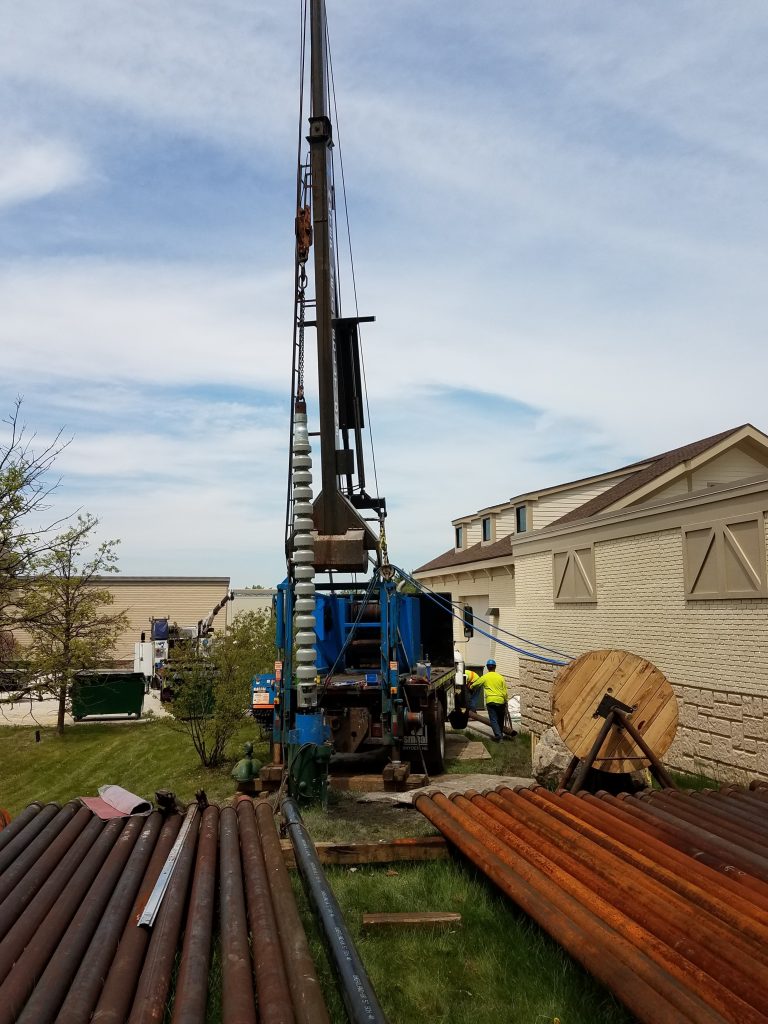
Motor and Pump Being Lowered into Casing
Extending the Working Life of the Well System
Wells are complex systems with multiple components working together. The motors, pumps, electrical panels, and cables that make up the system are all subject to wear, stress, and fluctuating operating conditions. Over time, these parts degrade, and without early detection, they can fail without warning.
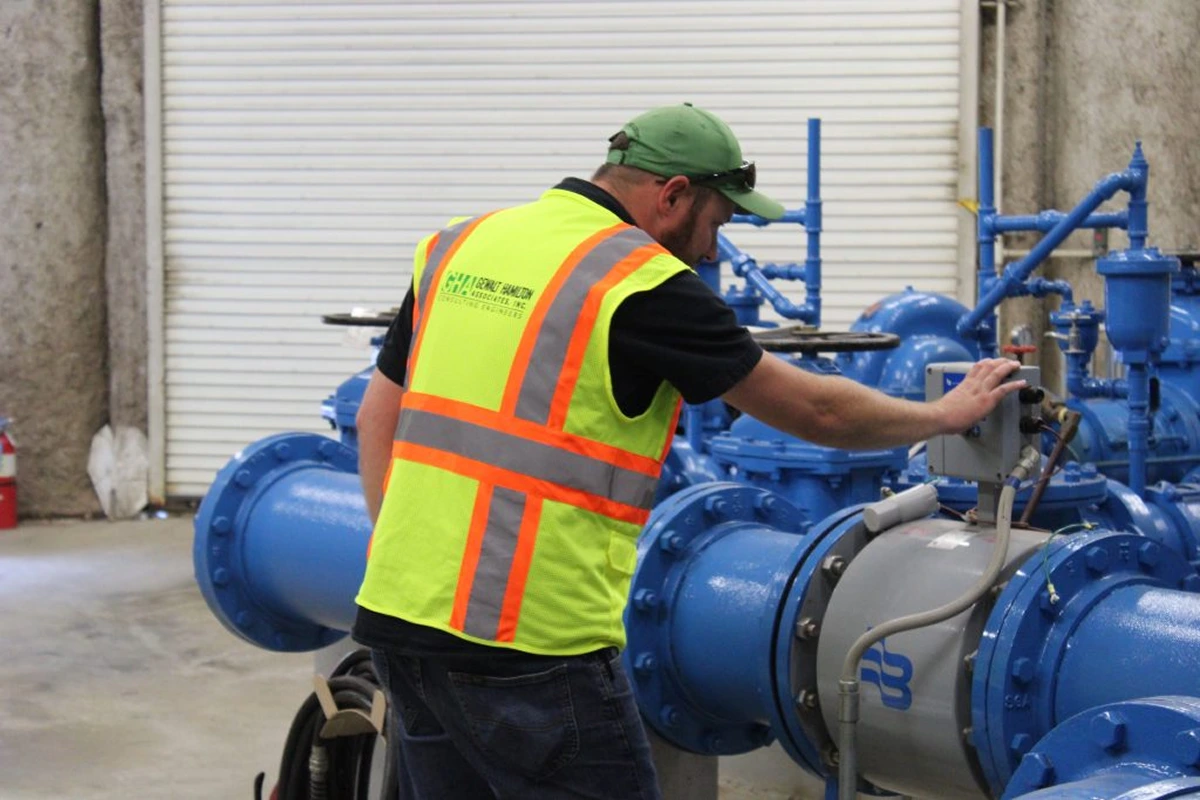
Annual preventative maintenance programs often begin with electrical testing, such as amp and voltage readings, to evaluate the condition of the motor and its controls. Even small year-to-year changes provide important signals. A gradual rise in amp draw, for example, may point to bearing wear, misalignment, or other mechanical resistance. If left unaddressed, these issues can lead to motor failure, resulting in costly replacements and extended downtime. These tests also include monitoring cables for water intrusion, which can impair performance and shorten their lifespan.
Motor size is another factor in long-term planning. Depending on the site, motors can range from 5 to more than 200 horsepower. Larger units carry higher replacement costs and often require longer lead times to procure. By tracking performance trends in advance, operators can anticipate when work will be needed and plan accordingly, rather than being forced into emergency replacements.
Pump efficiency adds another layer to preventative maintenance. Daily or weekly runtime tracking shows how long it takes to deliver a set volume of water. Declining gallons per minute or longer runtimes may indicate underground blockages, internal wear, or problems with the bowl assembly. Measuring total dynamic head along with flow gives operators a more complete picture of pump health. This measurement combines water depth, system pressure, and friction losses to show the true workload placed on the pump. Regular monitoring of these values against historical records helps identify developing issues and supports repair strategies that align with operational schedules and budget constraints.
Preserving Water Quality and System Integrity
Water quality problems often develop gradually. A well that once delivered clean, consistent water may begin to show signs of deterioration due to screen fouling, casing corrosion, or external contamination. These issues are harder to address once they reach the surface.
Monthly and annual sampling play an essential role in identifying problems early. Testing for indicators like chloride, radioactive contaminants such as arsenic, and coliform (including chloroform) bacteria provides insight into both the structural condition of the well and the surrounding geology. Rising chloride levels, for example, may suggest that saline water is migrating into the well, while the presence of coliform bacteria, an indicator of potential surface water intrusion, could point to casing cracks or issues with the sanitary seal.
Preventative programs also help reduce the risk of introducing contaminants during inspections or interventions. Every time a well is opened for camera work, sampling, or mechanical servicing, there is a risk of contamination. Proper screening and disinfection procedures help reduce that risk and having a structured plan in place ensures these tasks are handled consistently. When chloride is used for treatment, it is blended into the well, allowed to work, and then pumped out as part of the cleaning process. This step helps disinfect the system and control bacterial growth before it spreads.
In cases where water quality does begin to decline, early intervention is still possible. Chlorination can disinfect the well, brushing of screens can remove sediment and mineral buildup from the perforated sections that allow water to enter, and targeted acidification can dissolve hardened scale or deposits inside the well. These actions are far more effective and less disruptive when performed as part of a planned program rather than in response to a crisis.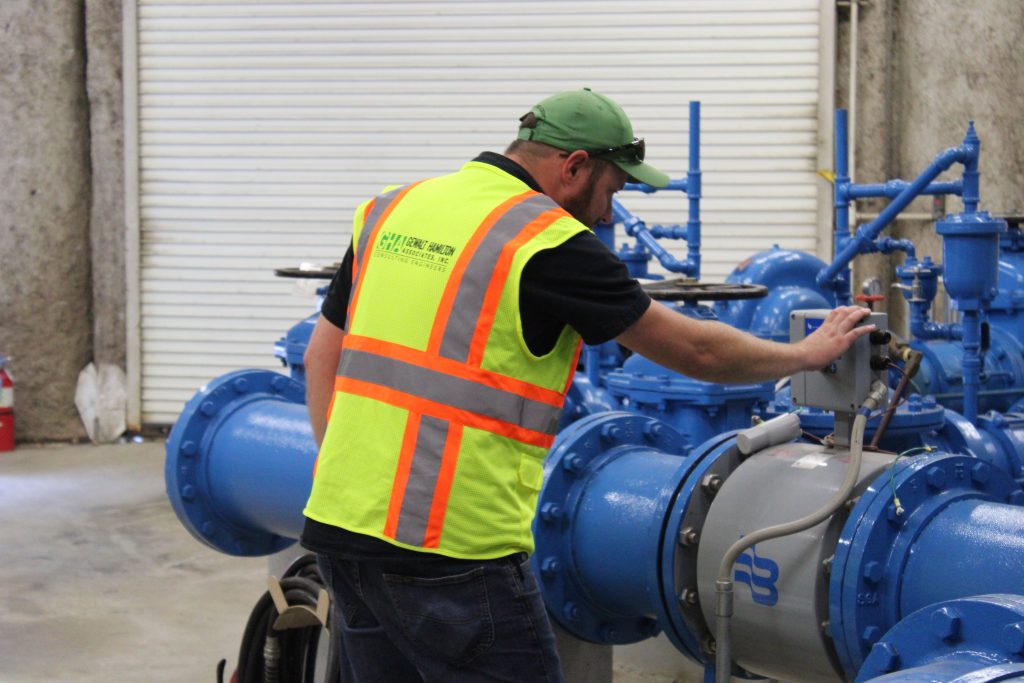
Planning, Budgeting, and Avoiding Surprises
The primary benefit of preventative maintenance is predictability. The ability to anticipate equipment wear comes from tracking warning signs such as rising electrical loads, declining flow rates, or longer runtimes. These indicators show when a pump is approaching the end of its service life, giving municipalities time to plan repairs. This foresight allows municipalities to prepare budgets, coordinate resources, and schedule work effectively.
Large-scale repairs, such as removing a pump, installing a liner, or replacing a crushed casing, often require multiple contractors and careful scheduling. Delays can lead to extended outages or secondary issues. Preventative programs reduce the likelihood of needing to fast-track emergency repairs and instead support a timeline that works for the community and the utility.
For example, a crushed casing may require the installation of a new liner. In some cases, this means inserting a smaller diameter casing into the existing borehole and sealing it in place. While effective, this process reduces internal capacity and may not be suitable for all wells. Electrical problems offer a similar lesson. Small shifts in voltage or amp draw may point to developing resistance that can be corrected, but if ignored, the motor may fail entirely and require costly replacement. Understanding the condition of the casing early allows operators to weigh repair options and make choices that preserve function without compromising future needs.
Tracking performance gives operators the foresight to plan for large expenses like pump and motor replacements. Having trend data to justify these investments helps secure funding and aligns repair work with broader capital planning efforts.
Long-Term Value
Preventative well maintenance is not just about extending equipment life or checking boxes on an inspection form. It is a system of planning, monitoring, and adjusting that keeps water systems functional and safe. The alternative of reactive maintenance creates avoidable risks, higher costs, and greater uncertainty.
By tracking data like air line readings, electrical output, runtime, and water quality, operators gain a clearer picture of how their system is performing and what it needs. Additional tools, such as using an air column or nitrogen system for measurements, can enhance accuracy and provide more reliable tracking over time. Preventative maintenance helps protect aquifer health, reduce operational interruptions, and make long-term budgeting more manageable.
In every case, the goal is the same: to avoid surprises and keep the well running properly for as long as possible. Structured programs, built on regular observation and informed action, are the most practical and effective way to do that.
GHA’s Approach to Preventative Well Maintenance
Supporting Long-Term Performance
Preventative well maintenance allows municipalities to stay ahead of problems rather than reacting to emergencies. At GHA, we help clients track system performance, monitor changes, and plan maintenance proactively, rather than reacting to unexpected issues. This approach supports both daily operations and long-range infrastructure planning.
Wells that appear to be functioning normally can still experience small shifts in behavior. Over time, these changes lead to reduced flow, mechanical stress, or water quality concerns. Preventative maintenance captures those changes early. With the right data, operators and engineers can act before a drop in performance turns into a service disruption.
GHA’s Public Works Operations group has built preventative programs for a wide range of municipal and community water systems. These programs are shaped around each client’s infrastructure, usage patterns, and internal capacity. Our role is to make sure each step is manageable, measurable, and clearly connected to long-term system health.
Building from Field Data
Strong preventative maintenance starts with routine observation. GHA helps clients use basic system data to understand how wells are performing over time. That includes daily pump runtimes, monthly air line readings, and annual electrical testing. Together, these data points provide a detailed look at how much energy is being used, how the aquifer is recovering, and whether equipment is beginning to wear.
In many cases, this information is already being recorded. GHA helps connect the dots. When a motor starts drawing more power or a well takes longer to recover between cycles, those signals become part of the maintenance plan. We work with operators and public works staff to understand what the data shows, what steps may be needed, and how that fits with planned improvements or budget cycles.
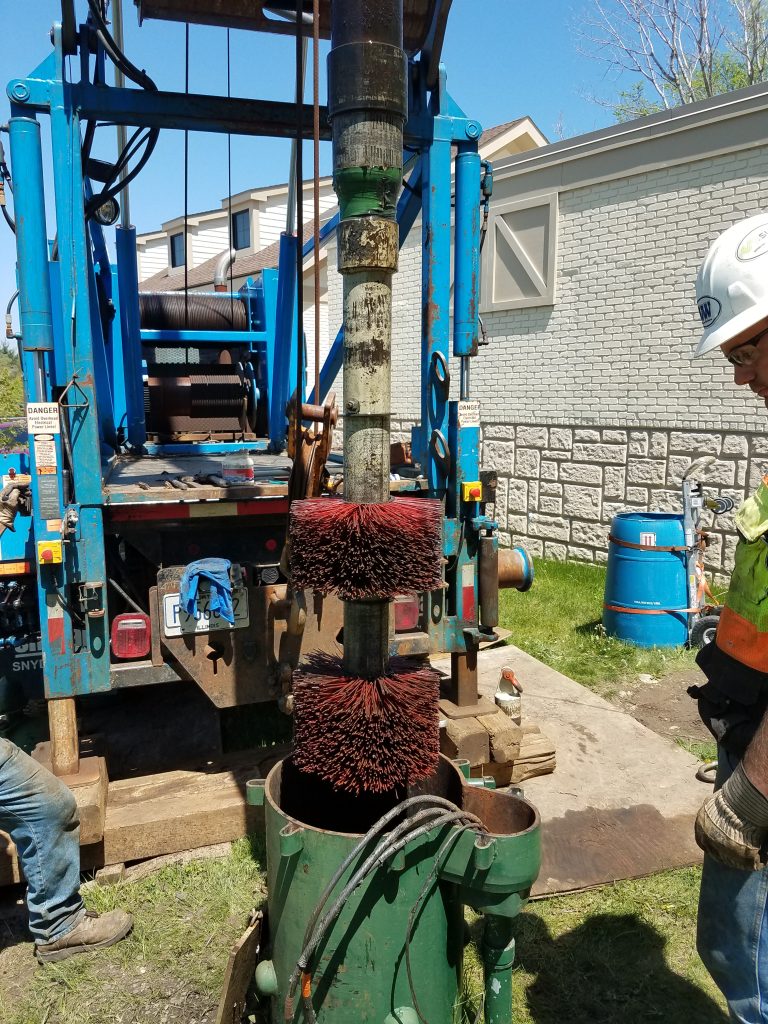
Brushing Assembly
Responding Before Repairs Become Emergencies
When potential issues are caught early, repairs can be scheduled, scoped, and budgeted in advance. GHA helps clients take advantage of that timing. If screens are beginning to clog, we support brushing or air bursting to restore flow. If flow continues to decline, we help coordinate inspections, pump removal, and internal camera work to identify the root cause.
For structural concerns like crushed casings or sediment buildup, GHA can assist with planning and design for liner installation, chemical treatment, or redevelopment. Because we track the conditions leading up to the problem, we can explain what work is needed, why it matters, and how to complete it without unnecessary delay.
We also help set expectations for large-scale repairs. Pump and motor replacements are not only expensive but often require weeks of lead time. When these are scheduled in advance, material sourcing, contractor scheduling, and staff coordination are much easier to manage. GHA provides the support and documentation needed to move these repairs forward with minimal disruption to service.
Matching Service to the System
No two wells operate under the same conditions. GHA works with clients to design programs that reflect the specific structure and purpose of each well in the system. A shallow community well might need more frequent checks and cleaning. A deep rock well may require long-term trending to understand how the aquifer responds to seasonal changes.
We also adjust our support based on staffing and internal capabilities. In some communities, we provide complete field service, inspection, and reporting. In others, we assist in reviewing operator logs, interpreting air line readings, or setting maintenance priorities based on what the system can support.
This flexibility allows GHA to serve both large municipal systems and smaller districts with limited personnel. Our goal is to strengthen what already exists by providing structure, planning, and technical guidance that’s practical to implement.
Built on Experience
GHA supports preventative well maintenance programs in communities such as Round Lake Beach, West Shore Park, and Long Grove. In each of these locations, our role has included routine observation, data tracking, and project coordination. These aren’t one-time visits. They are ongoing partnerships focused on keeping systems in service and in good condition.
We combine field experience with engineering support to deliver results that fit local needs. When performance trends start to shift, we’re able to recommend practical next steps and stay involved through the work. Our public works operations group brings a hands-on approach that helps clients avoid gaps, delays, or incomplete information.
A Practical Path Forward
Preventative maintenance does not need to be complicated. It needs to be consistent. With the right tools and support, municipal staff can manage their systems confidently, knowing they have a clear picture of what is happening and what to expect.
GHA helps make that possible by supporting the full cycle of preventative maintenance. From daily checks and monthly readings to repair coordination and long-term planning, we provide services that align with client priorities and community expectations.
Our role is not just to respond to problems, but to help prevent them.