 Industry Perspective
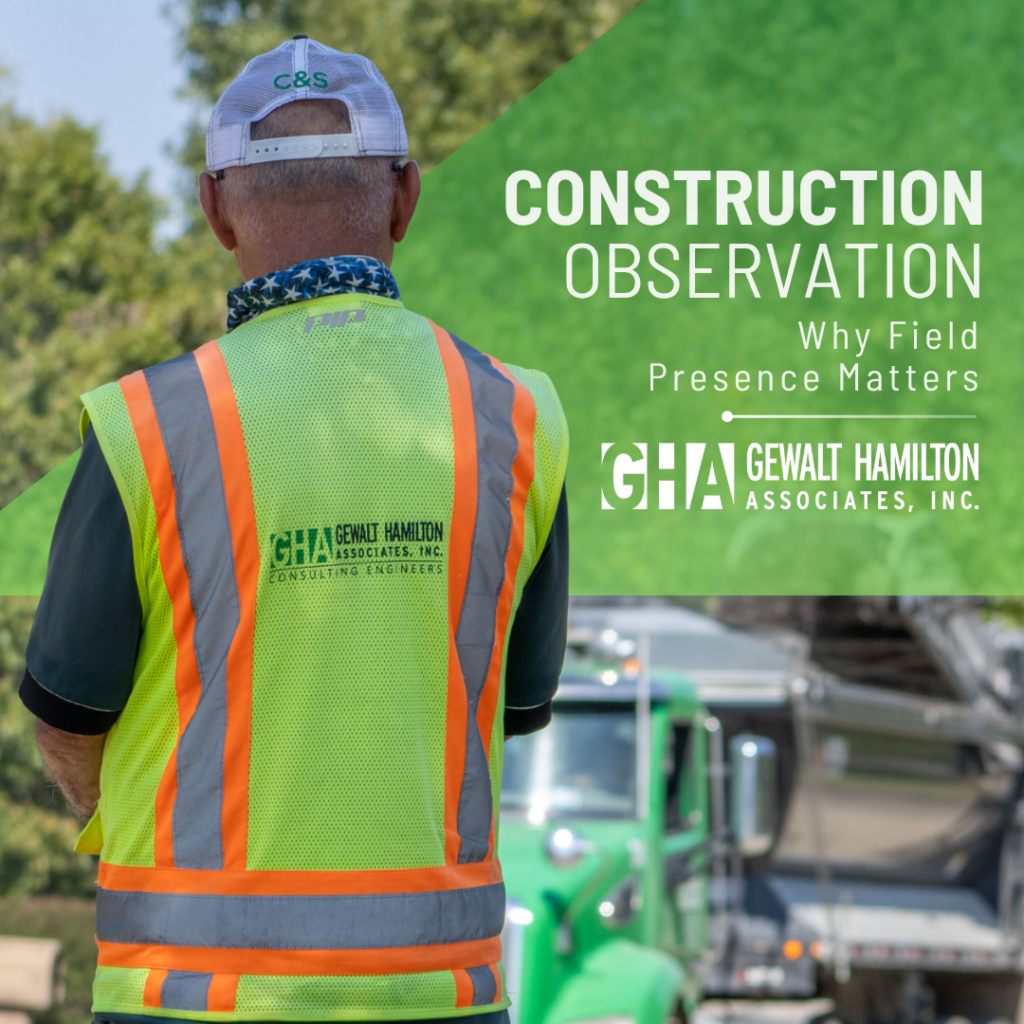
The Role of Construction Observation
Construction observation plays a defining role in how projects move from concept to completed work that serves communities. Design defines the intent, but long-term performance is determined by how that work is carried out on site. It connects these two, providing the continuity needed to guide projects through the variability of construction.
Many projects operate quietly in the background once construction is complete. Improvements to utilities, roadways, parks, schools, and public spaces may not always draw attention, yet they are essential to daily operations within a community. Their success is measured by reliability. These systems and spaces are expected to function consistently, often for decades, without interruption. That level of performance is achieved through how materials are installed, how field conditions are managed, and how decisions are made during construction. Observation plays a direct role in each of those.
Field presence brings structure to the construction process. It supports quality, strengthens coordination, and helps establish a reliable record of how work progresses. By remaining engaged in day-to-day activities, project teams can respond to questions as they arise, stay coordinated, and keep work moving in a steady direction.
Its importance becomes more apparent during construction itself, where every project moves through phases that demand attention, coordination, and informed decision-making. A steady presence on site supports that work, providing direction and allowing the project team to respond as conditions develop.
The Three Pillars of Construction Observation
Construction observation is most effective when understood through three connected functions: technical inspection, documentation, and coordination. Each plays a distinct role, but their value is strongest when they work together. Together, they create a framework that supports both the technical and operational aspects of construction.
Technical Inspection
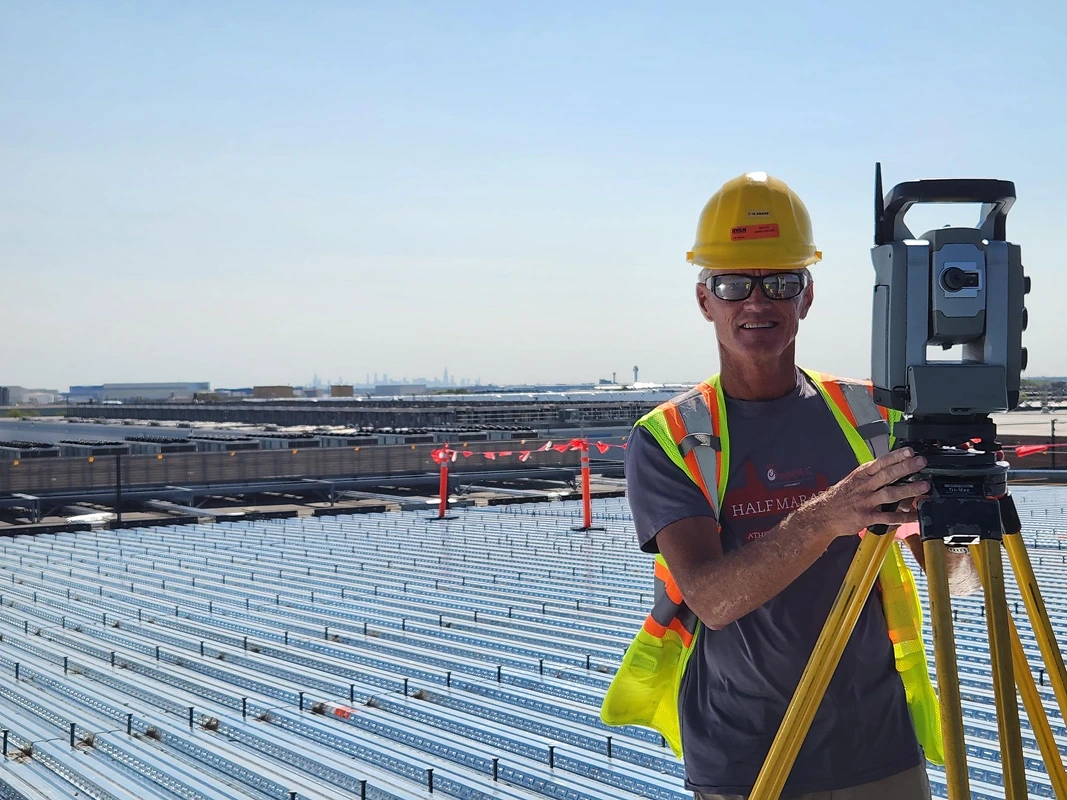
Technical inspection provides direct, on-site verification that construction activities align with the plans, specifications, and overall design intent. It examines how work is installed under real conditions, where factors such as weather, material variability, and site constraints influence outcomes. This level of oversight is especially valuable during critical phases of construction. Subgrade preparation establishes the structural base for all improvements, while the installation of permanent materials influences how those improvements perform over time.
Maintaining a steady presence during these phases allows conditions to be evaluated as work develops. Adjustments can then be made as part of the normal course of construction, helping keep work aligned with project requirements. Crews shift, weather varies, and production rates fluctuate, but the expectations for quality remain the same. Technical inspection provides consistency, helping verify that each phase of work meets the same standard regardless of external factors.
Documentation
Documentation provides the structure that supports accountability throughout construction. It captures what occurs in the field and turns it into information that can be referenced by all project stakeholders. As work progresses, written reports, visual records, and material verification create a full picture of how the project is unfolding. Together, these records show what was completed, how it was completed.
This information becomes an active part of project management. Teams can track progress, using documented information rather than assumption, creating a reliable reference during construction and after it.
Coordination
Coordination brings the technical and documented aspects of construction together, serving as the central communication hub for all parties involved in the project. Construction projects involve multiple stakeholders, each working toward different objectives while relying on the same set of information. Contractors are focused on sequencing and production, engineers on design intent and performance, and owners on overall outcomes and long-term use. These priorities must remain coordinated as construction continues, especially as field conditions evolve.
Maintaining a consistent presence on site provides a single point of reference that connects these groups, allowing information to move efficiently and decisions to be communicated without confusion. Rather than operating in parallel, teams remain connected through a shared understanding of current conditions and project requirements.
As conditions change, coordination becomes even more important. Field adjustments often require input from multiple parties, and responding quickly depends on how effectively that communication occurs. Without that connection in place, even minor field questions can stall progress while waiting for clarity.
Field Conditions and Design Intent
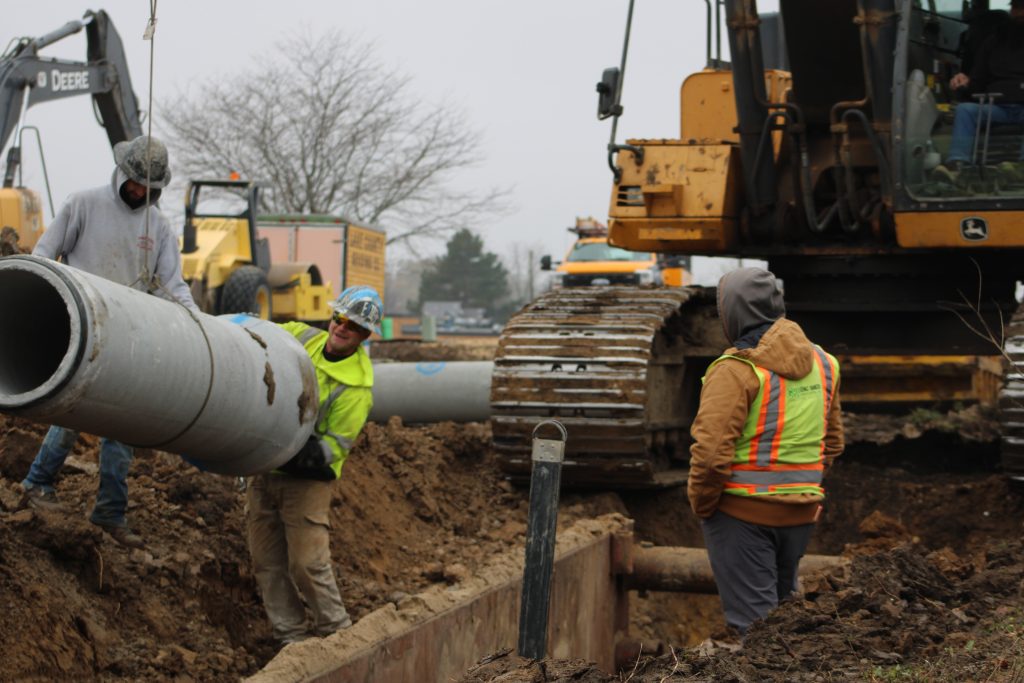
Construction conditions are constantly changing. Even with detailed surveys and careful planning, conditions encountered in the field often differ from what was anticipated during design. Subsurface conditions vary, existing utilities are not always located exactly as shown, and site constraints continue to evolve over the course of the project. Managing these conditions in real time is a fundamental part of construction, requiring informed decisions that keep work moving toward project goals.
Field presence allows these conditions to be identified early and evaluated in context. Conditions can be understood in relation to the design, and addressed without interrupting the overall flow of work.
These decisions are a constant part of this process. Field adjustments may include confirming installation methods, responding to existing conditions, sequencing work to maintain efficiency, or clarifying how plans should be applied. While each call may seem minor on its own, together they play a significant role in keeping the project on track and moving forward. When conditions are evaluated as they occur, responses can be implemented immediately, allowing work to continue without unnecessary pauses. Many questions can be resolved directly on site, reducing the need for formal review cycles and helping maintain project momentum.
Coordination with the design team supports this process. More involved questions can be addressed collaboratively, allowing decisions to be made efficiently and implemented with minimal disruption. This keeps the work aligned with project requirements without slowing the pace of construction.
Where Field Presence Matters Most
While on-site observation supports the entire project lifecycle, certain phases require closer attention due to their impact on long-term performance. These phases often involve elements that are difficult to revisit once completed, making proper installation especially important.
Subgrade and foundation work set the base for all improvements that follow. The condition of this layer influences stability, drainage, and overall durability, making early verification critical before subsequent work begins. Observation during this phase confirms that preparation meets project requirements and establishes a reliable starting point for the rest of the project.
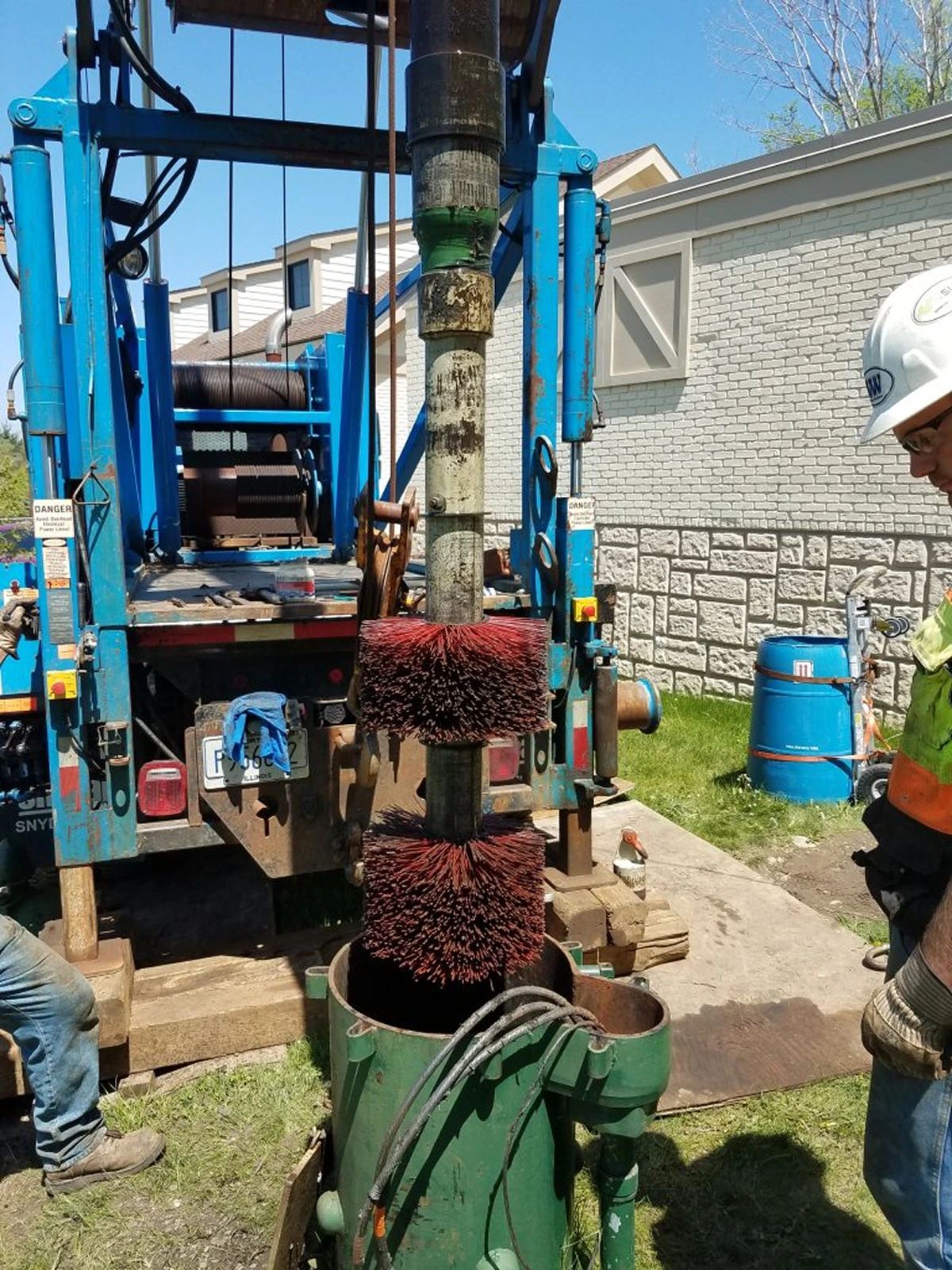
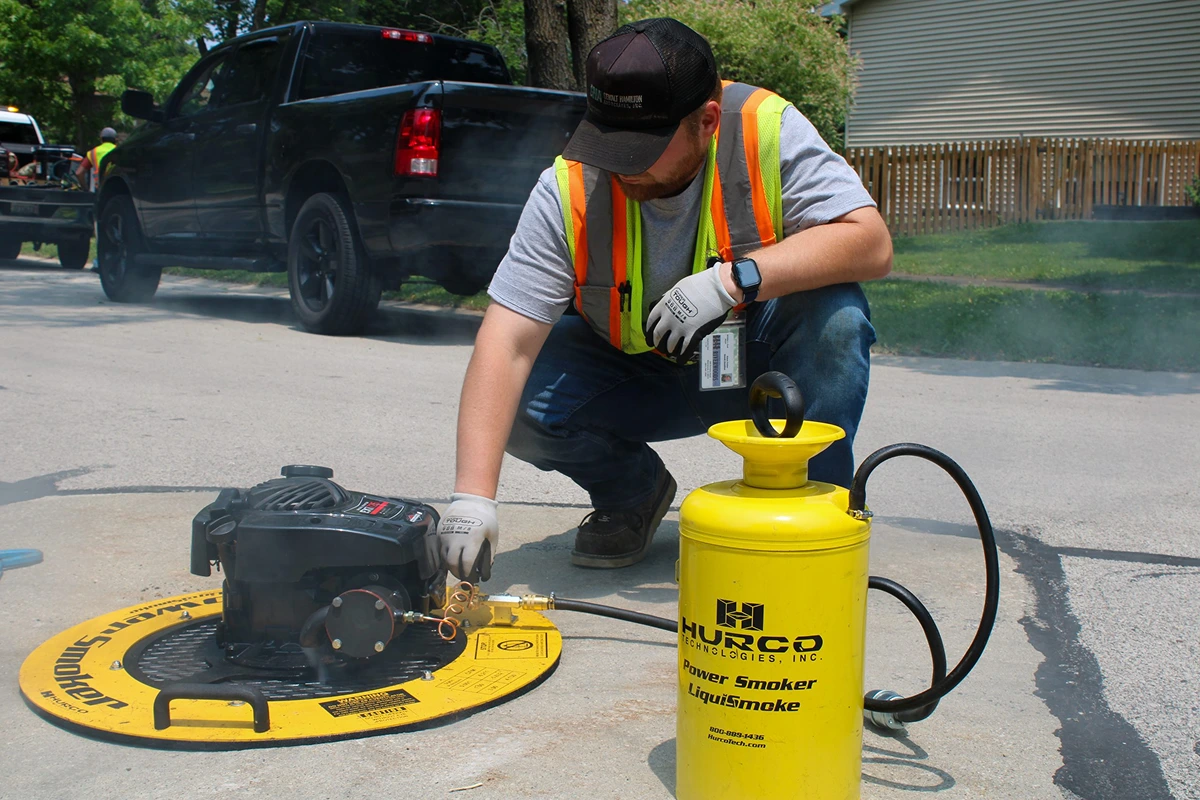
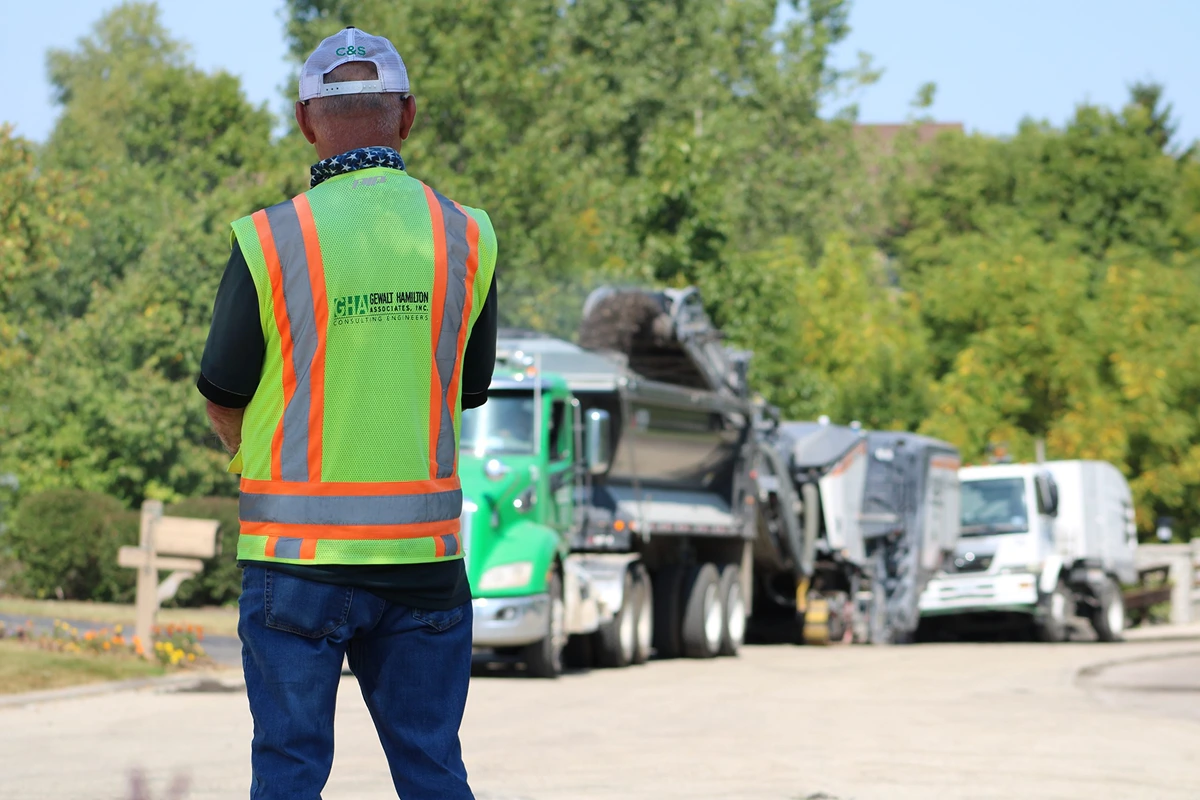
That same level of attention applies to utility installation, where systems are placed below the surface and become largely inaccessible once installed. Proper alignment, bedding, and connections are essential to long-term functionality. Verifying these elements during installation allows adjustments to be made while access is still available. Material placement requires additional attention, where timing and installation practices influence performance. Concrete relies on maintaining proper proportions and placement conditions to achieve its intended strength. Asphalt requires its own level of attention, particularly with respect to temperature and compaction. In both cases, materials must be placed under conditions that support long-term durability.
Across each of these phases, informed decision-making depends on connecting field conditions with material requirements and project expectations. This helps maintain alignment throughout construction and supports completed work that performs as intended over time.
Risk Reduction and Project Performance
Public projects are often delivered through competitive bidding processes, where contractors bring varying levels of experience, resources, and operational approaches. This variability is a normal part of the industry, but it introduces inconsistency in how work is executed from one project to the next.
A consistent field presence helps manage that variability by providing a steady point of reference throughout construction. Expectations remain clear regardless of how crews are staffed or how production fluctuates. Rather than relying on individual approaches, work progresses against a consistent standard.
That consistency carries through daily construction activities. Sequencing is clarified, expectations are reinforced, and coordination between crews and stakeholders remains steady throughout construction.
With that structure in place, the construction process becomes more predictable. Activities are better coordinated, communication remains clear, and progress continues without unnecessary interruption. Over time, this leads to completed work that performs reliably and reflects the original design intent.
 Documentation as Project Protection
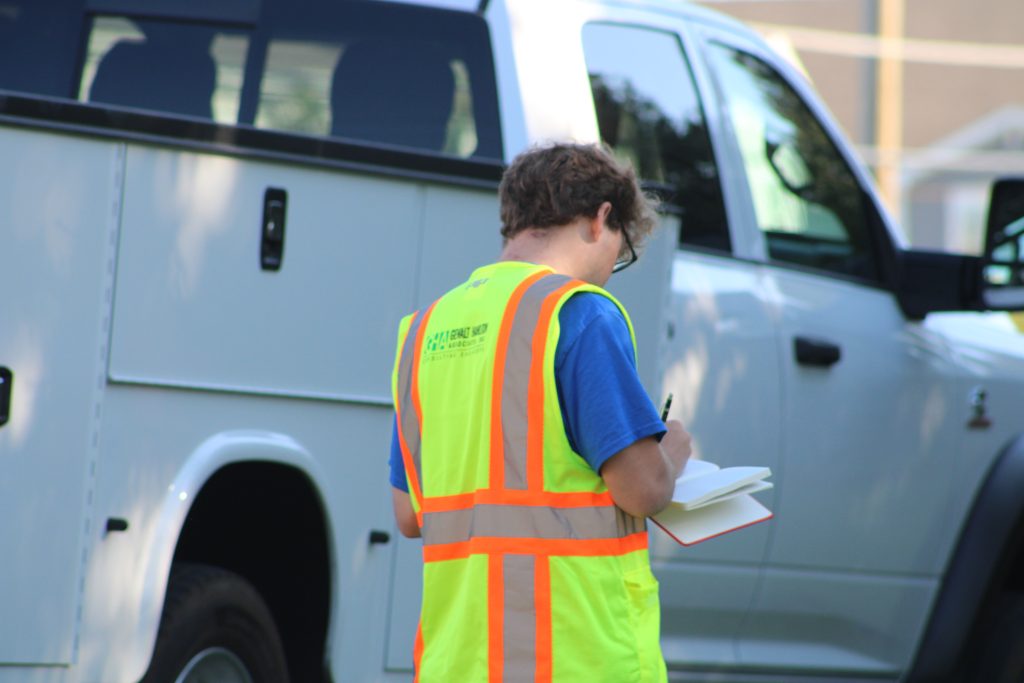
Documentation provides the structure that drives accountability and transparency throughout construction. Activities, quantities, and site conditions are recorded together as construction continues, creating a clear picture of how the project is unfolding. Daily reports document progress, photographic records capture field conditions and installation details, and material tracking confirms what was used and how it was incorporated into the work. Together, these elements reflect both construction progress and the conditions under which it occurs.
During construction, this information supports communication and decision-making by providing a clear basis for reviewing scope, quantities, and responsibilities as they arise. This reduces uncertainty, supports timely responses, and keeps discussions grounded in actual conditions rather than assumption. If questions arise regarding scope, quantities, or responsibilities, these records provide a clear basis for review and resolution.
Beyond day-to-day decisions, this record creates a basis for accountability across the project team. Responsibilities can be understood, changes can be tracked, and decisions can be tied back to specific field conditions. With multiple stakeholders involved, that shared reference reduces miscommunication and helps the project team work from the same set of facts.
After construction, the value of this information continues. It provides insight into how work was completed and supports future maintenance, rehabilitation, and planning efforts. With a clear understanding of past conditions and decisions, teams are better equipped to manage and adapt projects over time.
The Evolving Role of Construction Observation
Construction observation continues to evolve as new tools and technologies change how information is captured in the field. Activities that were once recorded manually can now be documented in real time, allowing field data to be collected as work occurs. This shift creates a more immediate and accurate record of construction progress, conditions, and decisions.
As information is captured more efficiently, it can also be shared more effectively across the project team. Field updates, quantities, and site conditions are communicated in near real time, allowing engineers, project managers, and stakeholders to stay informed. This supports faster communication and allows decisions to be made with a better understanding of current conditions.
This information is increasingly being carried beyond the construction phase through integration with GIS and asset management systems. Data collected in the field can be incorporated into long-term project records, creating continuity between construction activities and ongoing operations. This connection helps support future maintenance, planning, and system evaluation with a clearer understanding of how work was completed.
Emerging tools continue to expand how this information is collected. GPS-based tracking and unmanned aerial systems provide additional visibility into site conditions and project progress. These tools support more precise measurements, improve documentation, and offer a broader view of construction activity. When used alongside traditional observation methods, they enhance efficiency while maintaining accuracy.
As these technologies continue to develop, they reinforce a more connected approach to construction observation. Field presence remains central, supported by tools that expand visibility, improve coordination, and strengthen the overall construction process.
 GHA’s Approach to Construction Observation
 GHA’s Approach to Construction Observation
At Gewalt Hamilton Associates, Inc., construction observation is structured as a continuous, field-connected role that supports how projects are delivered rather than a task performed at isolated points during construction. The focus is on maintaining a clear connection between field activity, design intent, and project decision-making throughout construction. Quality, coordination, and accountability are addressed together through daily involvement in construction activities. Decisions reflect both field conditions and design considerations because the people closest to the work are part of the conversation.
GHA’s field staff remain closely engaged as work develops, serving as a direct link between the site and the broader project team. Observations, questions, and field conditions are communicated as they occur, allowing issues to be addressed without extended delays and keeping construction moving.
Right Expertise for Each Project
Effective observation requires technical knowledge, field awareness, and the ability to communicate effectively within a project team. Project demands vary based on scope, complexity, and funding structure, making it important to match staff experience with project needs.
At GHA, project teams are assembled with this in mind. Staff are assigned based on the specific requirements of each project, whether it involves underground utilities, roadway reconstruction, federally funded improvements, or park and school district work. Each project introduces different constraints, from regulatory requirements to construction sequencing and coordination with external stakeholders.
Matching staff experience to project needs allows GHA to provide the appropriate level of field awareness and technical understanding. When team members are familiar with the type of work being performed, they are better positioned to recognize potential issues, understand contractor workflows, and support decisions as conditions develop. GHA also emphasizes ongoing development. Team members build experience across multiple project types, allowing them to adapt to changing conditions while maintaining consistency in how projects are observed and supported in real time.
Integrated Communication and Coordination
Clear and consistent communication is a core part of how observation functions at GHA. Field staff, design engineers, survey teams, and project leadership remain connected through an integrated communication structure that supports both day-to-day coordination and project-level decision-making.
Project-specific communication platforms bring these groups together in a shared environment. Field updates, quantities, and site conditions can be communicated in real time, keeping project teams informed as work develops. When clarification is needed, responses can be coordinated quickly so construction continues without interruption.
Coordination begins before construction starts. Internal preconstruction meetings transfer knowledge from the design phase to the field team, focusing on design intent, known site conditions, and key project priorities. Establishing this understanding early allows the field team to respond more effectively once construction begins. As work progresses, that connection remains active. Field observations, design considerations, and survey data continue to move between teams, helping ensure that decisions made on site remain consistent with the original goals of the project. This structure gives project owners confidence that their investment is being delivered in accordance with project requirements and design intent.
Documentation and Community Engagement
Documentation at GHA is structured around the level of field presence on each project. For projects with full-time observation, field staff are on site continuously and document work as it occurs, capturing completed quantities, installation details, and the conditions under which the work was performed. Daily reports, photographic records, and material tracking come together to form a clear and consistent record of construction activities. For projects with part-time observation, documentation is adjusted to match the level of field presence. Site visit reports summarize conditions and progress since the previous visit, including key observations and supporting photographs. This approach maintains visibility into the project while remaining aligned with the scope of services.
Community communication is also an important part of the role at GHA. Weekly construction updates provide residents, business owners, and local agencies with clear information about ongoing work and what to expect next. These updates typically include recent progress, upcoming activities, and any anticipated impacts to the surrounding area.
Field staff often work near residents and businesses, making ongoing dialogue an important part of their responsibilities. Addressing questions, responding to concerns, and maintaining a professional presence in the field helps build trust and supports a more positive construction experience for the community. Over time, these updates serve as a consistent point of communication between the project team and the public. They help set expectations, reduce uncertainty, and provide a straightforward understanding of how construction is progressing. With this level of outreach in place, GHA can address concerns early and support a more informed experience for those affected by construction activities.
Delivering Better Project Outcomes
At GHA, on-site observation supports project delivery by keeping field activity, communication, and documentation connected throughout construction. This structure allows projects to move forward with a clearer view of current conditions and project requirements.
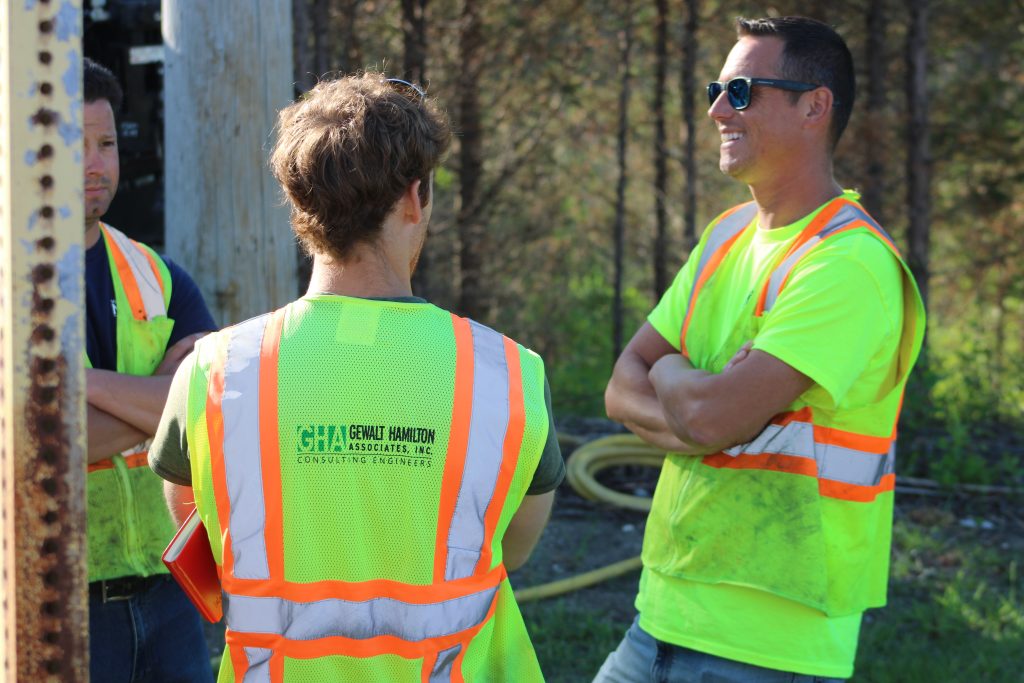
Field staff play a key role in keeping that connection active. They clarify requirements as conditions develop, relay questions back to the broader team when needed, and help maintain an open flow of information between contractors, engineers, and owners. This keeps work moving while ensuring decisions are made with the full project context in mind.
As construction progresses, this consistency supports a more predictable process. Activities remain coordinated, communication stays clear, and adjustments can be made without disrupting progress. The result is completed work that reflects the original design intent and is positioned to perform reliably over time.
Owner Expectations and the Role of Construction Observation
The value of construction observation is often shaped by the expectations and leadership of the owner. When clear project outcomes are established and the field team is empowered to work toward them, construction observation becomes an effective part of project delivery.
This approach requires a level of trust that develops over the course of a project. Municipal staff are often closely involved in early planning, design, and funding, building a strong understanding of project goals. As construction begins, that involvement shifts, allowing field teams to carry those goals forward through day-to-day oversight while staff focus on broader program needs.
When this transition is supported, construction observation becomes more than oversight. It allows projects to move forward with clear direction, reduces the burden on internal staff, and creates space for the planning and development of future work.
Field Presence as a Strategic Advantage
At GHA, construction observation is treated as an integral part of project delivery. It connects design with field execution and provides a clear view of how work is carried out as conditions evolve. Staying close to the work allows projects to respond to real-world conditions while remaining grounded in project requirements. It supports decision-making, strengthens communication, and maintains continuity that cannot be achieved through periodic oversight alone.
As projects continue to increase in complexity, the role of construction observation will continue to expand. Advances in technology will improve how information is collected and shared, but day-to-day involvement in construction will remain central to successful project delivery.
With the right field staff, internal coordination, and project communication in place, construction observation becomes a practical part of how GHA helps clients deliver work that performs over time.