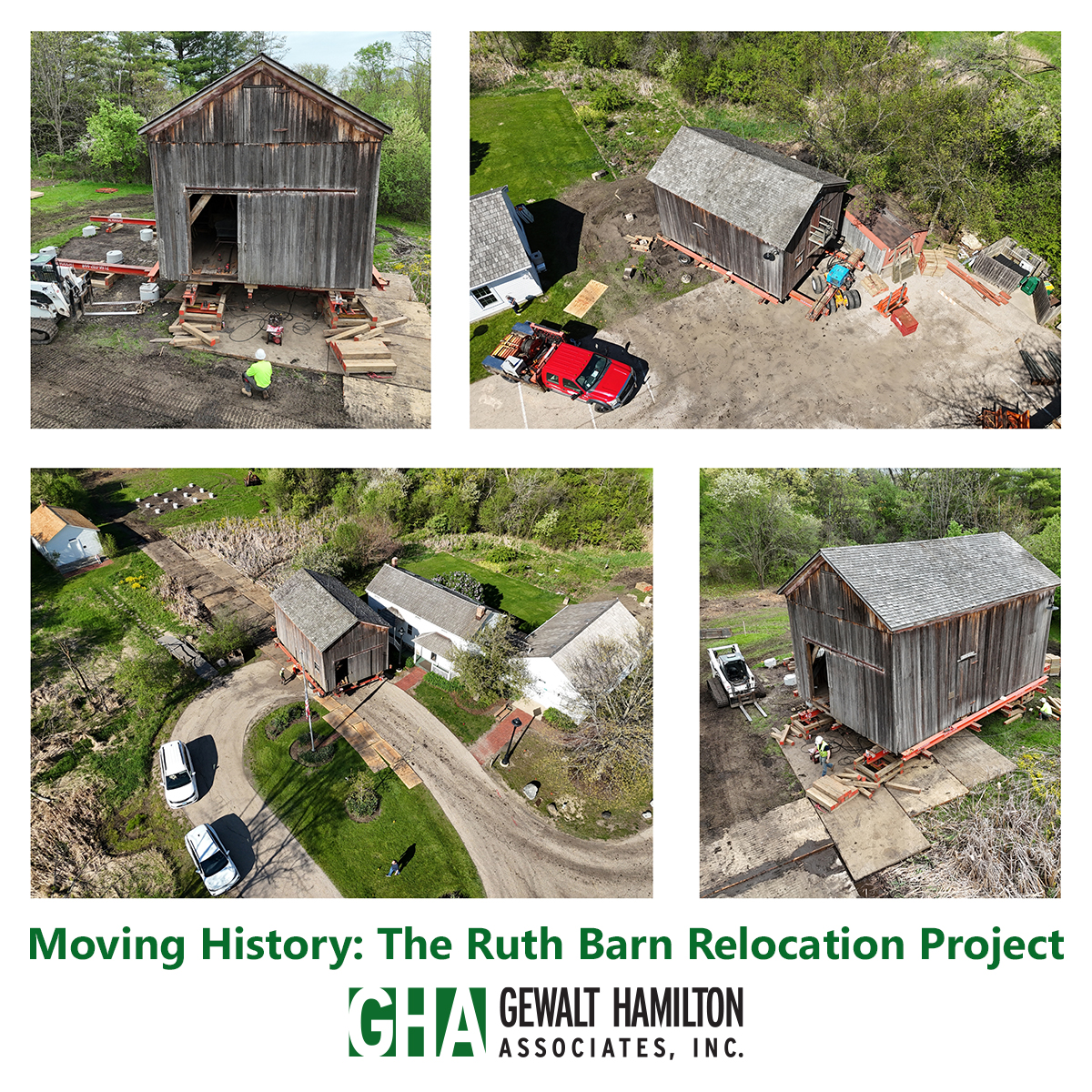
The Ruth Barn Relocation Project, coordinated in collaboration with the Village of Long Grove, serves as a remarkable example of how a community can preserve its heritage while facilitating growth. This project, a precursor to the expansion of the Long Grove Village Hall, required careful planning and execution to ensure the barn’s successful relocation. Originally donated by the Ruth Family, one of the village’s earliest families, the barn has long served as a vital educational resource, offering tours to local schools and providing a tangible link to Long Grove’s past.
Balancing accessibility, historical context, and community impact, the relocation of the Ruth Barn demanded thoughtful planning. Extensive discussions were held to determine the most suitable new home for this historic structure. Several relocation options were considered, with a downtown location being a strong contender.
Ultimately, the barn found a new home north of the historic one-room Archer School, a location steeped in the area’s rich history. Interestingly, this wasn’t the barn’s first brush with relocation. It had previously embarked on similar journeys in 1980 and 1977, a testament to the enduring spirit of this local landmark.
A Collaborative Effort
The relocation of the Ruth Barn was more than a logistical challenge, it was a team effort that required careful coordination among multiple stakeholders. A significant aspect of the project was managing the complexities of moving the barn across a regulated wetland to its new location. The project was completed with minimal impact on the environment, thanks to our thorough environmental and logistical planning.
“Coordinating with the Army Corps of Engineers was a critical step in our process,” said Karolina Cho, Environmental Resource Specialist. “It was essential to verify that our activities wouldn’t disturb the wetland. Ensuring compliance with all guidelines helped protect the natural ecosystem and maintain ecological balance.”
“Our goal was to ensure that the historical integrity of the Ruth Barn was maintained throughout the relocation process,” explained Leo Morand, P.E., Director of Municipal Services. “We took great care in planning and executing the move to minimize any potential environmental impact.”
GHA’s Comprehensive Role
Our scope of work included essential services like permit acquisition, utility coordination, cost estimation, and managing the construction logistics.
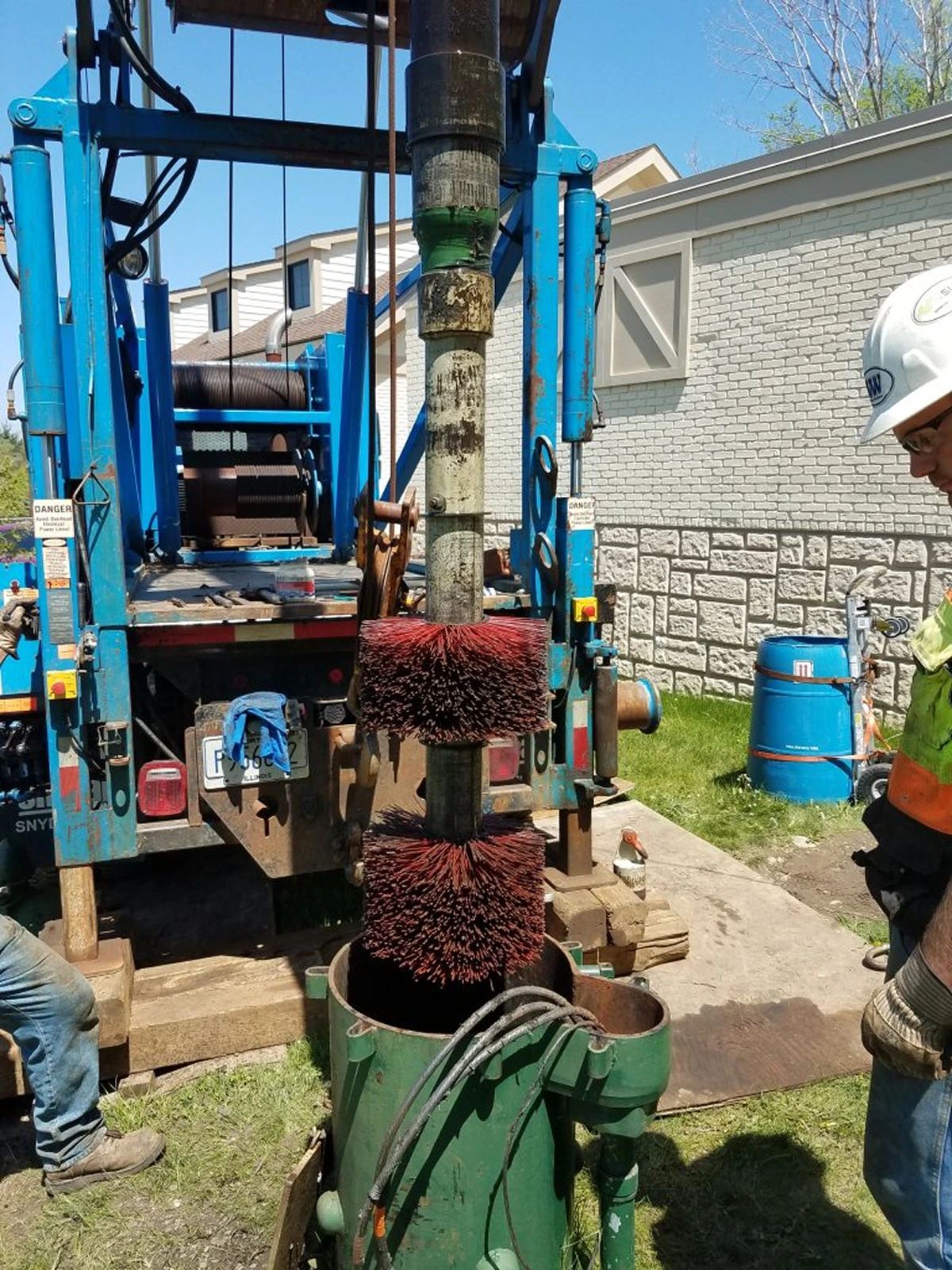
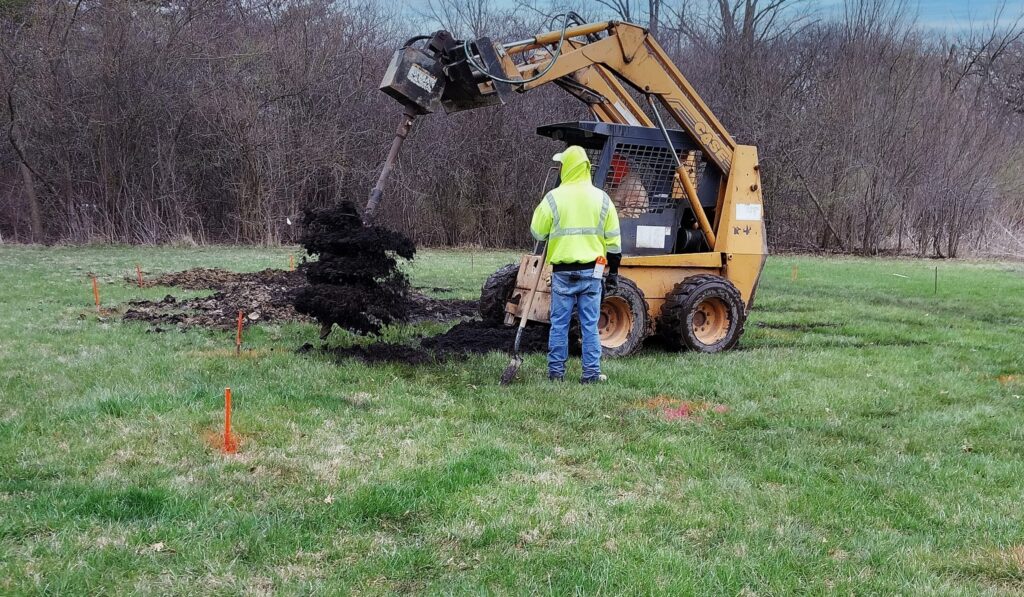
John Eisenhut, Construction Engineer Technician III, provided construction observation for the installation of concrete piers at the new site, which now supports the relocated barn. On-site work included pumping groundwater from twelve drilled shaft locations and framing 2-foot diameter round sono tube forms. The four north piers were elevated one foot above ground level, with the remaining piers placed at a level elevation. Each pier was reinforced with six #5 vertical bars and four #4 horizontal ties. “Our team ensured that the construction met all necessary standards and requirements,” said John. “Providing a stable and secure foundation for the barn’s new location was critical to preserving its historical significance and ensuring its longevity for future generations.”
Overcoming Challenges
The project faced several challenges, particularly related to weather and environmental constraints. After a series of rainy, windy days, a brief improvement in weather conditions provided a window of opportunity to move the barn and begin the first phase of the Village Hall Expansion Project. “The weather was a significant challenge,” noted James Baxa, CFM, Engineering Technician. “We had to wait for a suitable weather window to ensure the move could be conducted safely and efficiently.”
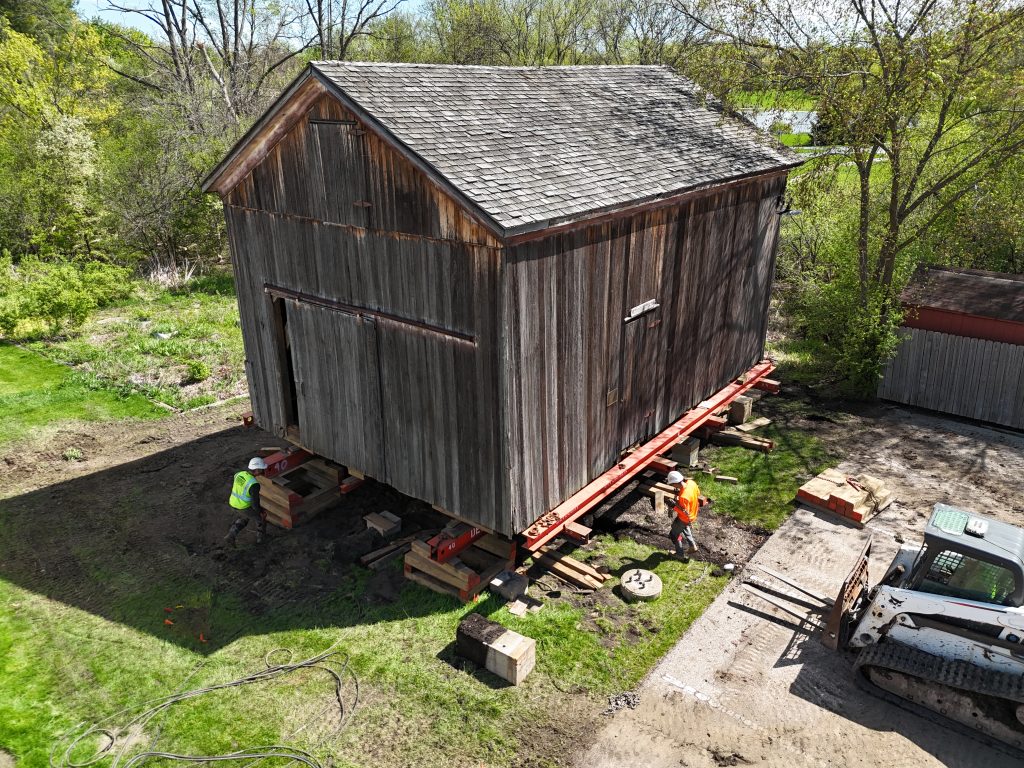
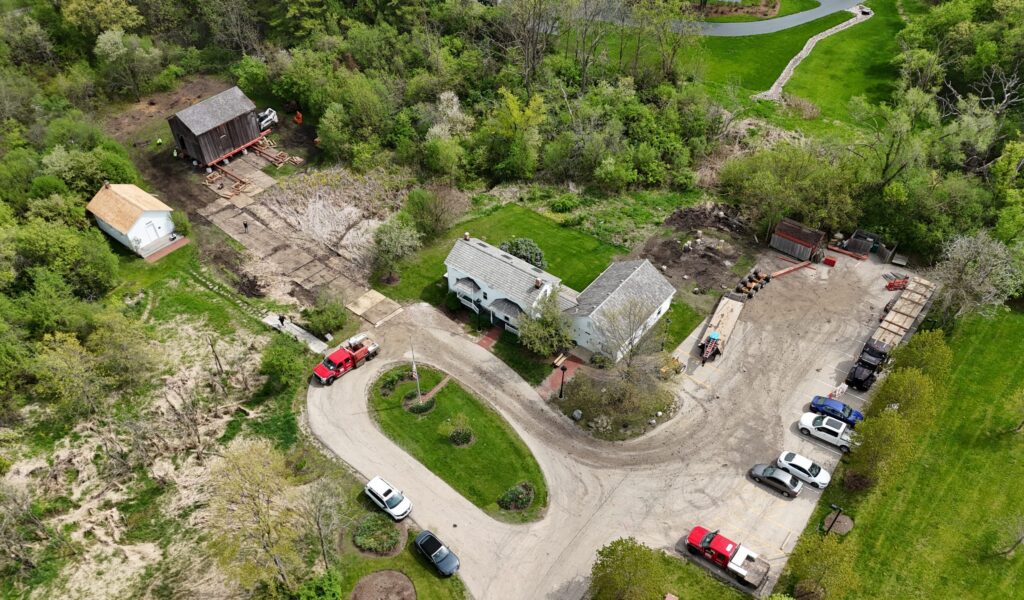
Over the course of two days in early May, a team from DeVooght House Lifters maneuvered the historic Ruth Barn to its new location on the village grounds adjacent to the Archer School House. “Watching the team move the barn was truly impressive,” said Griffin Boo, Construction Engineer, who was capturing drone footage of the move. “They navigated some very tight spaces with such precision.”
“I would have been a little more nervous than they were,” Geoff Perry, P.E. said with a chuckle. “Clearly, they are very experienced professionals, and I’m glad we had them for this job.”
Community Impact and Future Benefits
The Ruth Barn Relocation Project stands as a testament to Long Grove’s commitment to embracing its heritage while charting a course for the future. By relocating this historic structure next to the one-room Archer School, the community ensures that future generations can continue to learn and connect with the village’s story.
A Model for Future Projects
The Ruth Barn Relocation Project was more than a simple relocation; it is a model for future projects that seek to balance historic preservation with modern development needs. “We are proud of the work we’ve done here,” said Todd Gordon, P.E., CEO. “This project showcases the breadth of our services, demonstrating our commitment to building a better future while respecting the past.”
By successfully relocating the Ruth Barn, GHA showcased its ability to deliver comprehensive solutions that bridge the gap between preserving history and building for the future. As Long Grove continues to evolve, projects like this serve as a testament to the importance of balancing progress with respect for the past. The community will be able to enjoy enhanced facilities at the Village Hall, alongside the preserved and cherished historical structures that tell the story of Long Grove’s heritage.